Core Concept: Balance Over Speed
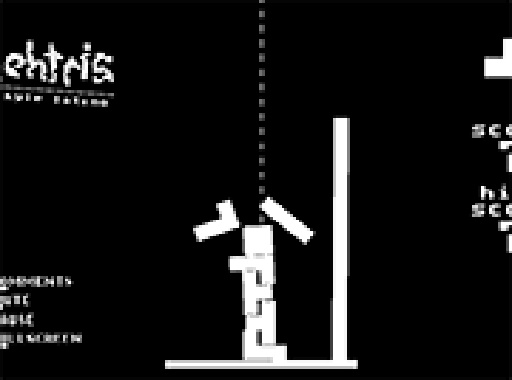
Unlike traditional block games that focus on clearing rows, Gravity Stack asks players to think vertically. Every block that falls behaves as if it were a real object, subject to weight and momentum. The objective is not to remove pieces but to arrange them so they hold together. A tower that leans too far or has weak support will topple, ending the round. This shift from speed-based play to careful construction makes each session a thoughtful exercise in structural planning.
Physics-Driven Interaction
The game simulates how objects interact in the real world. When a block lands, its position affects the stability of everything above it. Heavier pieces may shift lighter ones, and uneven stacking can cause a chain reaction. Players must consider the shape and orientation of each falling block before it settles. This system rewards patience and observation, as a quick drop can lead to a collapse while a deliberate placement builds a stronger foundation.
Controls and Visual Feedback
Gravity Stack is designed for desktop use, with keyboard and mouse controls that let you move and rotate blocks before they land. The interface shows a clear view of the growing tower, and subtle visual cues indicate when a piece is wobbling or unstable. Playing in full screen mode provides a wider perspective, helping players spot weak points early. The clean, uncluttered design keeps attention on the physics simulation without distraction.
Progression and Replay Value
Each game session starts fresh, with blocks falling at a steady pace. As the tower grows higher, the challenge increases because every new piece must be placed with greater care. There are no levels to unlock or scores to chase, which makes Gravity Stack ideal for short, focused play sessions. The randomness of block shapes and order means no two towers are alike, encouraging players to try different strategies each time they play.







Comments
0 comments