Core Gameplay Loop
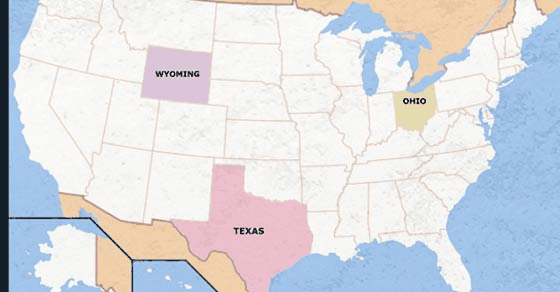
Players begin with a blank outline of the United States. The objective is straightforward: type the name of any state using the keyboard. As each correct name is entered, that state is highlighted on the map, offering immediate visual feedback. There are no timers or penalties for wrong guesses, allowing for a relaxed, self-paced experience. The game tracks the total number of correctly identified states, giving a clear sense of accomplishment as the map gradually fills.
Memory and Recall Mechanics
Unlike multiple-choice quizzes, this puzzle relies entirely on free recall. Players must retrieve state names from memory without prompts. This approach strengthens long-term retention and is particularly effective for students preparing for geography exams. The ability to skip states and return to them later reduces frustration and encourages strategic thinking—focus on familiar regions first, then tackle more challenging areas.
Visual Design and User Interface
The interface is intentionally minimal, with no distracting animations or cluttered menus. The map is the central focus, and each correctly named state is filled with a distinct color. This clean design helps maintain concentration on the task. The absence of ads or pop-ups ensures an uninterrupted learning session, making it suitable for classroom use or quiet study time.
Progression and Completion
Progress is measured by the number of states correctly named, displayed as a running count. The game concludes once all 50 states have been identified. There is no score or time limit, so the only goal is complete coverage of the map. This design encourages thoroughness and repeated attempts, as players can replay to improve speed or accuracy.
Learning Applications
This puzzle serves as a practical tool for reinforcing U.S. geography knowledge. It can be used by students studying for tests, adults brushing up on their knowledge, or anyone interested in improving their recall of state names. The simple format makes it accessible to all age groups, from elementary school children to seniors. Regular use can help solidify mental maps of the United States.







Comments
0 comments