Course Layout & Terrain
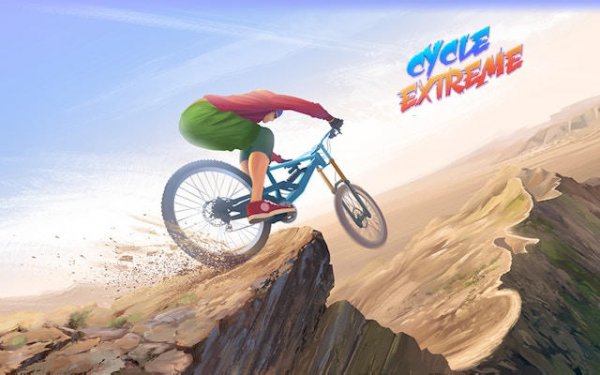
Each trail in this game presents a distinct set of challenges. The paths are narrow and feature sharp bends, sudden descents, and scattered debris like stones and branches. The layout encourages players to learn the route and anticipate what lies ahead. Courses vary in length and complexity, providing a steady increase in difficulty. The environment is designed to reward careful observation and memorization of key sections.
Control & Balance Mechanics
Steering is handled through simple directional inputs, but the real challenge lies in maintaining stability. The bike reacts to the terrain, requiring the player to lean into turns and adjust speed before obstacles. Overcorrecting or moving too fast through rough patches can cause a spill. The physics model creates a convincing sensation of momentum, making each descent feel dynamic. Mastery comes from finding the right rhythm between speed and control.
Progression & Scoring System
After finishing a course, players receive a rating based on their completion time. Earning the highest rating requires not only fast movement but also clean runs without crashes. This system encourages repeated attempts to refine technique and discover more efficient lines. There is no penalty for trying again, so players can focus on gradual improvement. The scoring provides a clear benchmark for personal growth.
Session Design & Replay Value
Races are designed to be completed in a few minutes, making the game suitable for quick breaks or longer play sessions. The emphasis on skill rather than complex storylines means each run feels self-contained. Players can return to earlier courses to beat their previous times, which adds lasting appeal. The straightforward structure allows anyone to pick up the game and start playing without lengthy tutorials.







Comments
0 comments