Puzzle Mechanics and Item Placement
This game centers on using simple items to move a green character across a level. Players choose where to put each item. When activated, the item pushes the character in the opposite direction. The challenge is to figure out the best spot for each item to create a clear path to the exit. Some levels may need items used one after another, while others work better when items are set off together. The physics system reacts to how items are placed, so even small changes can affect the outcome.
Level Design and Obstacles
Each stage presents a unique layout with gaps, walls, and other barriers. Early levels are straightforward, letting players learn the basics. Later stages add more complex arrangements that require careful thought. The character must be guided around or over these obstacles. The game does not use timers, so players can take as long as they need to plan. This makes it a relaxed experience suitable for all ages. The variety in level design keeps the gameplay fresh.
Scoring and Replay Value
After finishing a level, the game shows how many attempts were used. Fewer attempts earn a higher star rating. Three stars are possible on each stage, which encourages players to revisit levels and try new strategies. This system adds replay value without forcing it. Players who enjoy perfecting their approach will find plenty to do. The star rating also gives a clear goal for those who like to improve their performance.
Visual Style and User Experience
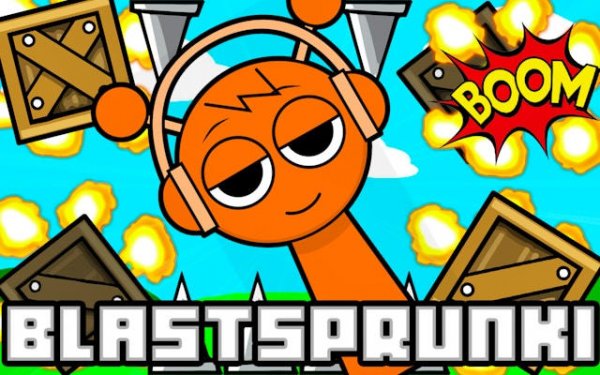
The game uses bright, simple graphics that are easy on the eyes. The main character has a friendly design that appeals to younger players. Controls are straightforward, with no complicated menus or instructions. The interface provides clear feedback after each attempt, showing what worked and what did not. This helps players learn quickly without frustration. The overall presentation is clean and focused on the puzzle-solving experience.






Comments
0 comments